AdsCrawl vs Scrapfly vs Selenium: Which Tool Wins?
Compare AdsCrawl, Scrapfly, and Selenium for browser automation, web scraping, screenshots, and AI agents. See which API or framework fits your workflow.
AdsCrawl vs Scrapfly vs Selenium: Which Browser Automation Tool Wins?
Choosing between AdsCrawl, Scrapfly, and Selenium comes down to one question: do you want to manage browser infrastructure yourself, or consume it through an API? AdsCrawl and Scrapfly both offer managed cloud browser APIs, while Selenium remains the open-source foundation many teams use to build custom automation. This comparison breaks down how each tool handles screenshots, HTML extraction, CDP control, anti-bot bypass, and scaling so you can pick the right fit for your workflow.
Quick Comparison: AdsCrawl vs Scrapfly vs Selenium
Scrapfly - Web Scraping API, Cloud Browser, Screenshot API product interface.
| Criteria | AdsCrawl | Scrapfly | Selenium |
|---|---|---|---|
| Type | Managed browser API | Managed scraping API | Open-source framework |
| Deployment | Cloud, unified API | Cloud, one API key | Self-hosted or Grid |
| Screenshots | Yes, via API | Yes, via API | Yes, via WebDriver |
| HTML/Markdown extraction | Yes | Yes | Manual parsing needed |
| CDP control | Yes, remote CDP sessions | Yes, stealth Chromium over CDP | Limited, via DevTools |
| Anti-bot bypass | Fingerprint profiles | Built-in bypass + residential proxies | Not built-in |
| Pricing model | Credit-based freemium | Credit-based, from $30/mo | Free, infrastructure costs |
| Best for | AI agents, monitoring, automation APIs | Large-scale scraping, hard targets | Testing, custom automation |
What Each Tool Does Best
Scrapfly - Web Scraping API, Cloud Browser, Screenshot API product interface.
AdsCrawl: Browser Infrastructure for AI Agents and Automation
AdsCrawl positions itself as browser infrastructure for the AI era. Instead of managing your own headless Chrome instances, you call a unified API that returns screenshots, HTML, and Markdown from real browser sessions. The platform also exposes remote Chrome DevTools Protocol (CDP) sessions, which means you can drive a cloud browser the same way you would a local one—without maintaining the underlying machine.
Key strengths include:
- Unified API surface: One endpoint handles screenshots, HTML extraction, Markdown conversion, and CDP control. This reduces integration overhead compared to stitching together multiple libraries.
- Fingerprint profiles: AdsCrawl lets you configure browser fingerprints for sessions, which helps when you need consistent identity across requests or want to reduce detection risk.
- Concurrent browser execution: Run multiple browser sessions in parallel without provisioning extra servers.
- Freemium credit model: Start with free credits and scale into paid usage, which makes it accessible for prototyping before committing budget.
- Dashboard for debugging: Key management, usage tracking, and debugging tools live in one place, so teams can monitor what their automation is doing.
AdsCrawl fits teams that want to wrap repeatable web actions into reliable APIs. For example, an AI agent that needs to visit a page, capture its rendered state, and return clean Markdown can do that through a single AdsCrawl request. If you are already comparing AdsCrawl with other tools, the AdsCrawl setup guide walks through the first API call step by step.
Scrapfly: Anti-Bot Bypass and Structured Extraction
Scrapfly is a web data platform built around one API key that unlocks anti-bot bypass, stealth Chromium over CDP, residential proxies, screenshots, and structured extraction. Its core pitch is reliability on hard targets: sites with Cloudflare, custom WAFs, or aggressive bot detection.
Independent benchmarks give Scrapfly a 98% success rate on difficult public sites using default configurations, compared with 32–58% for several competing scraping APIs. That matters when your job depends on getting data from protected pages, not just simple HTML.
Scrapfly strengths include:
- Built-in anti-bot bypass: Stealth Chromium and residential proxies are bundled into the same API key, so you do not need to assemble a separate proxy stack.
- Structured extraction: Beyond raw HTML, Scrapfly can return structured data, which saves time on parsing and cleaning.
- SOC 2 Type II and HIPAA attestation: For enterprise teams with compliance requirements, this is a meaningful differentiator.
- One API across five products: Screenshots, scraping, extraction, and proxy management all share the same key and billing.
Scrapfly is strongest when you need to scrape protected sites at scale and want the anti-bot layer handled for you. It is less focused on general-purpose browser automation for testing or internal tooling, where Selenium still shines.
Selenium: The Open-Source Automation Standard
Selenium has been actively developed since 2004 and remains the most widely adopted browser automation framework. It is not a managed service—you write code, run it against local or remote browsers, and own the infrastructure. That brings both freedom and operational burden.
Selenium's three components cover different needs:
- Selenium WebDriver: Language-specific bindings for Java, C#, Python, Ruby, JavaScript, and more. You drive browsers natively and write robust regression automation.
- Selenium IDE: A browser add-on for Chrome, Firefox, and Edge that records and plays back interactions. Useful for quick bug reproduction and exploratory testing.
- Selenium Grid: Distributes tests across multiple machines and environments, letting you scale automation horizontally.
Selenium strengths include:
- Zero licensing cost: The framework is free and open source. You pay only for the machines that run it.
- Language flexibility: Official bindings cover most major programming languages, and third-party drivers extend support further.
- Testing ecosystem integration: Selenium plugs into JUnit, TestNG, pytest, and other test runners, making it the default choice for QA teams.
- Full control: Because you own the browser, you can inspect every network request, modify headers, and interact with the page at the lowest level.
Selenium's weakness is that it does not solve anti-bot detection, proxy management, or infrastructure scaling for you. If a target site blocks headless browsers, you must build your own evasion layer. If you need 100 concurrent sessions, you must provision and maintain the Grid yourself.
Head-to-Head: AdsCrawl vs Scrapfly
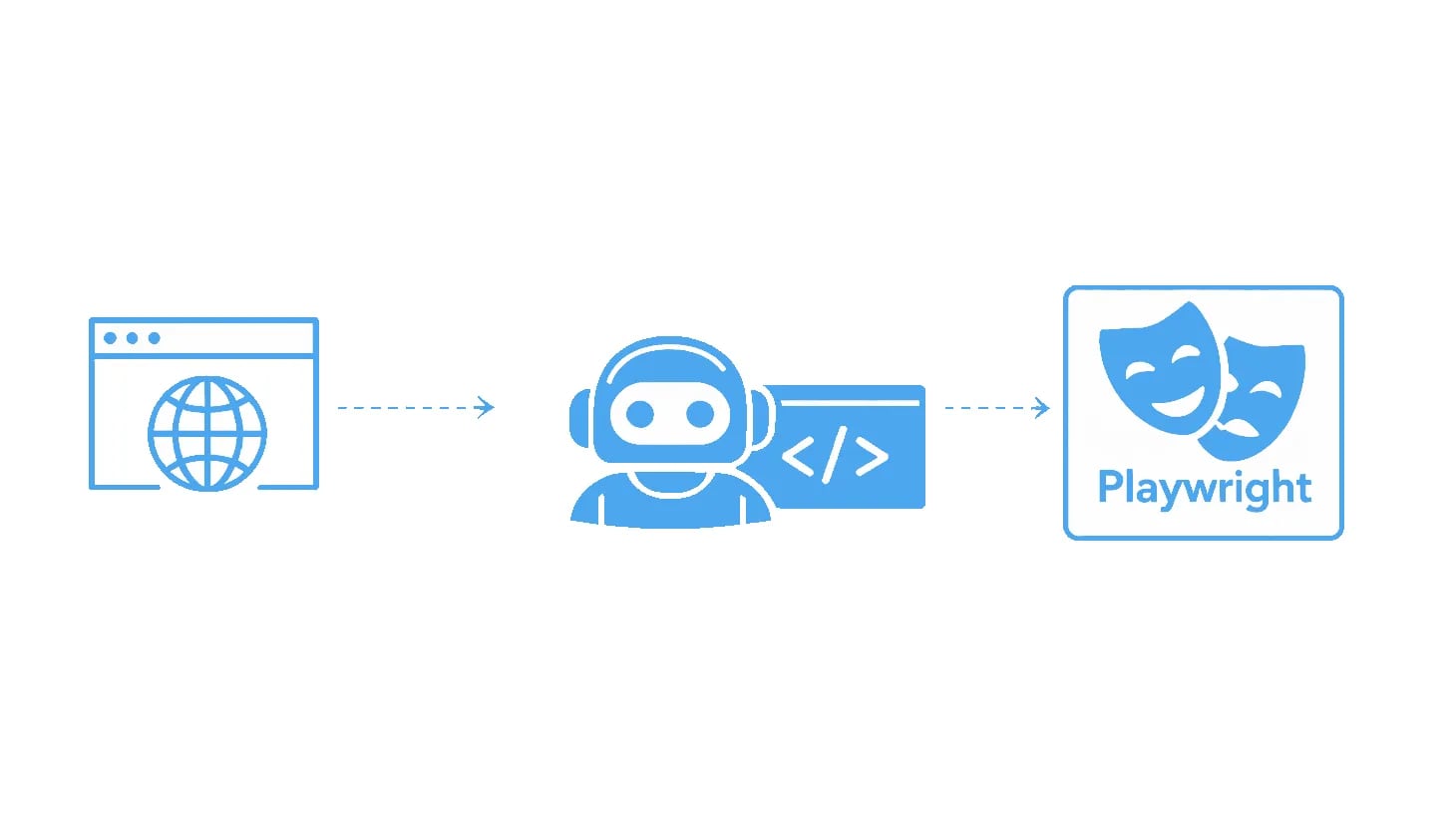
Scrapfly - Web Scraping API, Cloud Browser, Screenshot API product interface.
Both AdsCrawl and Scrapfly remove the infrastructure burden of running browsers, but they optimize for different outcomes.
Browser control depth: AdsCrawl exposes remote CDP sessions directly, which is valuable when you need fine-grained control over a cloud browser—attaching to a page, intercepting network traffic, or debugging rendering issues. Scrapfly also offers CDP access through its stealth Chromium product, but its primary interface is oriented toward scraping requests rather than interactive session control.
Anti-bot focus: Scrapfly has a stronger published track record on protected targets, with residential proxies and stealth Chromium bundled in. AdsCrawl offers fingerprint profiles, but its positioning is broader—covering monitoring, SEO, and AI workflows rather than specializing in bypassing aggressive WAFs.
Output formats: AdsCrawl returns screenshots, HTML, and Markdown from a single API. That Markdown output is especially useful for AI agents that need clean text rather than raw DOM. Scrapfly returns HTML plus structured data through its extraction product, which suits data pipelines that feed databases or spreadsheets.
Pricing: Scrapfly starts at $30 per month with 1,000 free credits for evaluation. AdsCrawl uses a credit-based freemium model, which lets you test without a credit card and scale incrementally. For low-volume automation or prototyping, AdsCrawl's free tier is attractive; for high-volume scraping of protected sites, Scrapfly's per-request economics may be more predictable.
Head-to-Head: AdsCrawl vs Selenium
AdsCrawl and Selenium solve different halves of the same problem. Selenium gives you complete control over a browser; AdsCrawl gives you a browser you do not have to run.
Setup time: With Selenium, you install a driver, configure browser options, and write boilerplate for session management. With AdsCrawl, you send an HTTP request and receive a screenshot or HTML back. For teams that need results in minutes rather than days, the API approach wins. The AdsCrawl login and dashboard guide shows how quickly you can start managing keys and usage.
Scaling: Selenium Grid can scale, but you are responsible for the machines, networking, and orchestration. AdsCrawl handles concurrent browser execution in the cloud, so scaling is a billing question rather than an infrastructure project.
Cost profile: Selenium is free to use, but the operational cost of maintaining browsers, proxies, and servers can exceed a managed API's price at scale. AdsCrawl's credit model shifts that cost to per-request pricing, which is easier to budget for variable workloads.
Control vs convenience: If you need to run a specific browser version, install extensions, or manipulate the page in ways an API does not expose, Selenium remains the right tool. If your automation is repeatable and can be expressed as "load this URL, do these actions, return this output," AdsCrawl's API wrapper approach is faster to build and maintain.
For a deeper look at how AdsCrawl compares with another managed scraping API and Selenium, see the AdsCrawl vs ScrapingBee vs Selenium comparison.
Head-to-Head: Scrapfly vs Selenium
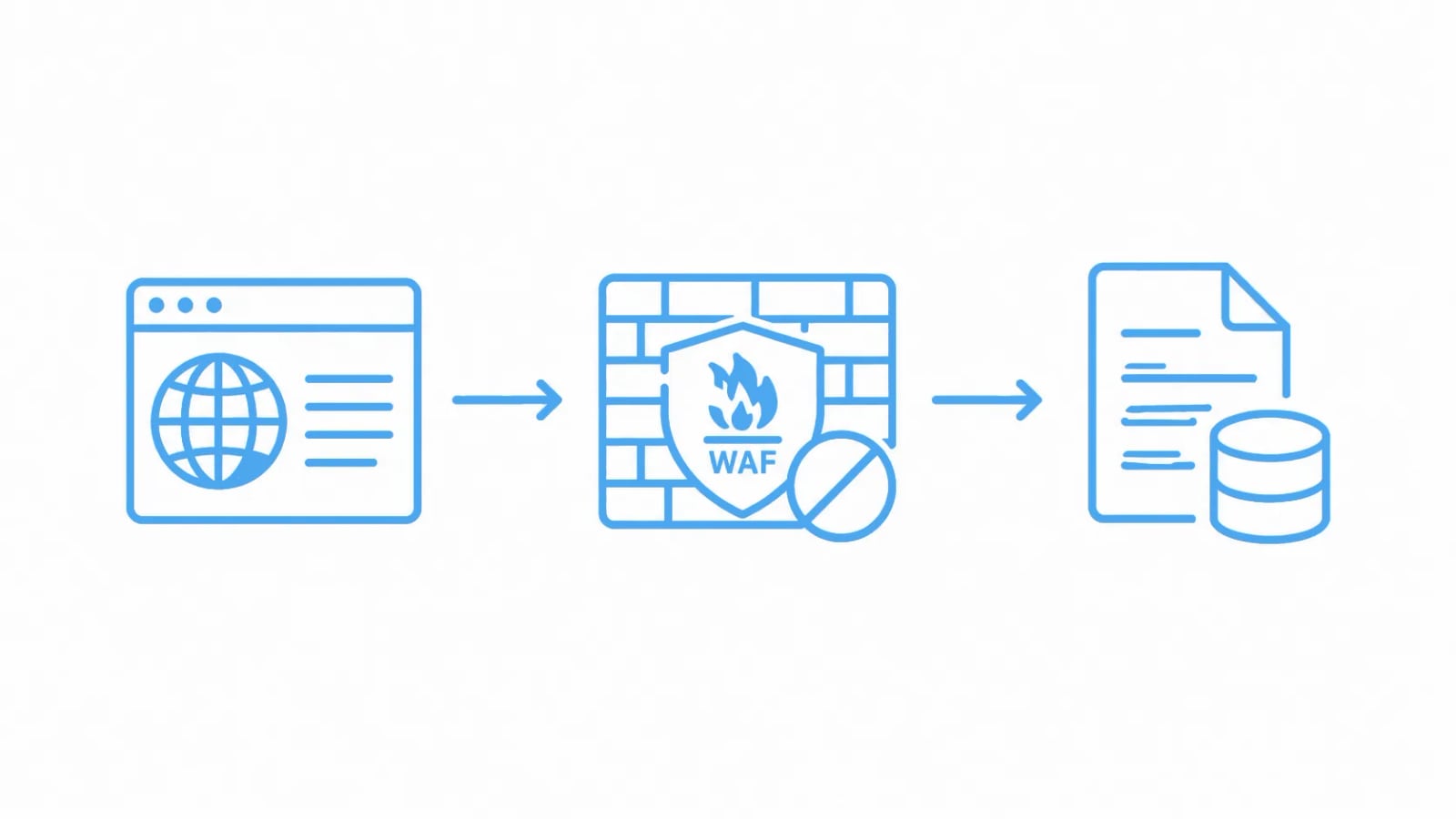
Scrapfly - Web Scraping API, Cloud Browser, Screenshot API product interface.
Scrapfly and Selenium are not direct competitors in the traditional sense. Scrapfly is a managed API; Selenium is a framework. But many teams use Selenium today and consider Scrapfly when scraping becomes painful.
Anti-bot handling: Selenium has no built-in anti-bot bypass. Headless Chrome is easily detected by services like Cloudflare, and you must add stealth plugins, proxy rotation, and fingerprint spoofing yourself. Scrapfly bundles these capabilities into its API, which is why teams migrating from Selenium often cite detection as the primary reason.
Data extraction: Selenium gives you the raw DOM and lets you parse it however you like. Scrapfly can return structured data directly, reducing the amount of parsing code you write.
Use case overlap: For testing web applications, Selenium remains the standard. Scrapfly is not designed as a test automation tool. For scraping, Scrapfly removes most of the operational pain that Selenium introduces.
When to Choose Each Tool
Choose AdsCrawl when:
- You are building AI agents that need clean HTML or Markdown from web pages.
- You want a unified API for screenshots, extraction, and CDP control.
- You need concurrent cloud browser sessions without managing servers.
- You prefer a freemium model to prototype before paying.
- Your workflows include monitoring, SEO checks, or repeatable web actions.
Choose Scrapfly when:
- Your primary job is scraping protected sites at scale.
- You need anti-bot bypass and residential proxies without building your own stack.
- You want structured data returned directly from the API.
- Compliance requirements like SOC 2 Type II matter to your organization.
- You are migrating from Selenium or another scraping API and need reliability on hard targets.
Choose Selenium when:
- You are testing web applications and need integration with test frameworks.
- You require full control over browser versions, extensions, and low-level behavior.
- You have the engineering capacity to manage your own infrastructure.
- Your automation runs against internal or non-protected sites.
- Budget is constrained and you can absorb operational costs instead of per-request fees.
Practical Example: Capturing a Rendered Page
Here is how the same task—capturing a fully rendered page—looks in each tool.
AdsCrawl uses a single API call that returns HTML, Markdown, and a screenshot:
import requests

response = requests.post(
    "https://api.adscrawl.net/v1/scrape",
    headers={"Authorization": "Bearer YOUR_API_KEY"},
    json={"url": "https://example.com", "formats": ["html", "markdown", "screenshot"]}
)

data = response.json()
print(data["markdown"][:500])
Scrapfly uses a similar API pattern with built-in anti-bot protection:
from scrapfly import ScrapflyClient, ScrapeConfig

client = ScrapflyClient(key="YOUR_API_KEY")
result = client.scrape(ScrapeConfig(url="https://example.com", render_js=True))
print(result.content[:500])
Selenium requires driver setup, browser launch, and explicit cleanup:
from selenium import webdriver
from selenium.webdriver.chrome.options import Options

options = Options()
options.add_argument("--headless")
driver = webdriver.Chrome(options=options)
driver.get("https://example.com")
html = driver.page_source
driver.quit()
print(html[:500])
The API approaches collapse setup, execution, and cleanup into one request. Selenium gives you more control but demands more code and infrastructure.
Pricing at a Glance
- AdsCrawl: Credit-based freemium. Start free, then pay for credits as usage grows. Credits cover browser sessions, screenshots, and extraction. Best for variable or low-volume workloads.
- Scrapfly: Starts at $30 per month with 1,000 free credits for evaluation. Pricing scales with request volume and feature usage. Best for production scraping with predictable monthly volume.
- Selenium: Free to use. Costs come from hosting browsers, maintaining Grid infrastructure, and engineering time. Best for teams that already have infrastructure and want to avoid per-request fees.
Independent testing of scraping APIs shows Scrapfly averaging a 93.86% success rate across challenging domains at $2.85 per 1K requests, with response times around 5.6 seconds. Those benchmarks come from third-party testing across Amazon, Indeed, GitHub, Zillow, and other protected sites. Scrapfly's own comparison page reports a 98% success rate on the hardest public targets using default configurations.
Related reading
- AdsCrawl vs axiom.ai vs Selenium: Which Browser Automation Tool Wins? - Compare AdsCrawl, axiom.ai, and Selenium for browser automation, scraping, and AI agents. See which API, no-code bot, or framework fits your workflow.
Sources and further reading
- Notes on browser automation, collection engineering, and AI workflows - The blog shares product practice, technical breakdowns, and field notes for teams building data workflows with real browsers.
FAQ
Is AdsCrawl a Selenium replacement?
Not exactly. AdsCrawl replaces the infrastructure and boilerplate you would otherwise build around Selenium for scraping and automation tasks. If you need test automation with framework integration, Selenium remains the better choice. If you need a cloud browser API for screenshots, extraction, and CDP control, AdsCrawl is a faster path.
Does Scrapfly work with Selenium?
Scrapfly is an API, not a Selenium driver. However, teams often migrate from Selenium to Scrapfly when anti-bot detection becomes a problem. Scrapfly's CDP access can also complement Selenium workflows where you need a stealth browser session.
Which tool is best for AI agents?
AdsCrawl is purpose-built for AI agent workflows, with Markdown output and CDP control through a unified API. Scrapfly also serves AI agents through structured extraction and anti-bot bypass. Selenium can power AI agents but requires significant custom engineering to produce clean, structured output.
Can I use AdsCrawl and Scrapfly together?
Yes. Some teams use AdsCrawl for general browser automation and screenshots, and Scrapfly for protected scraping targets. Since both are API-based, you can route requests to whichever tool fits the specific job.
Is Selenium still relevant in 2026?
Absolutely. Selenium remains the standard for web application testing and custom automation where full control matters. It is less suited to large-scale scraping of protected sites, which is where managed APIs like AdsCrawl and Scrapfly have an advantage.
Conclusion
AdsCrawl, Scrapfly, and Selenium each earn their place in a modern automation stack. AdsCrawl is the strongest choice when you want a unified cloud browser API for screenshots, Markdown extraction, and CDP control—especially for AI agents and monitoring workflows. Scrapfly excels at scraping protected sites at scale, with anti-bot bypass and structured extraction baked in. Selenium remains the open-source workhorse for testing and custom automation where control and framework integration matter more than convenience.
If you are evaluating browser automation tools for AI agents or data workflows, the AdsCrawl review offers a hands-on look at real-world performance. For teams weighing managed platforms against open-source frameworks, the AdsCrawl vs Browserless vs Selenium comparison explores another managed alternative worth considering.