
Python Framework Guide: Web, AI & Automation in 2026
Compare Python frameworks for web, AI, data, and automation. Includes selection criteria, code examples, and how browser APIs fit modern Python stacks.
Python Framework Guide: Web, AI & Automation in 2026
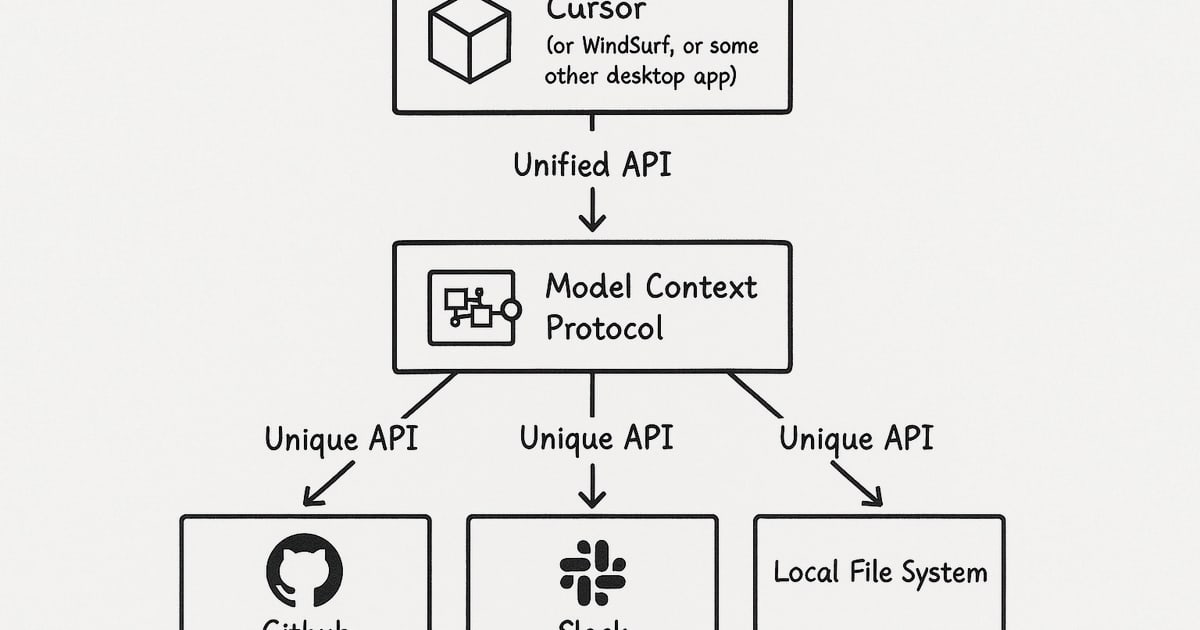
A Python framework is a pre-built collection of libraries and conventions that handles repetitive work so you can focus on your application's unique logic. But "Python framework" means very different things depending on context: a web framework like Django, an AI framework like PyTorch, or an automation stack that drives a real browser. This guide separates those categories, compares the leading options, and shows where browser automation APIs fit into a modern Python project.
What Is a Python Framework?
Python Framework Guide: Web, AI & Automation in 2026 - What Is a Python Framework?.
At its core, a framework provides structure. It defines how requests flow, how data is modeled, and where your code plugs in. This is different from a library, which you call directly. With a framework, the framework calls your code.
Python frameworks generally fall into four groups:
- Web frameworks — Django, Flask, FastAPI, Pyramid, CherryPy, Bottle
- AI and machine learning frameworks — PyTorch, TensorFlow, Keras, Scikit-learn, LangChain
- Data and scientific computing frameworks — Dash, NumPy-based stacks, NLTK for NLP
- Automation and browser frameworks — Playwright, Selenium, and API-driven browser platforms
Most teams end up combining several. A FastAPI backend might call a PyTorch model and trigger a browser automation job to collect live page data.
Web Frameworks: Django, Flask, FastAPI, and More
Python Framework Guide: Web, AI & Automation in 2026 - Web Frameworks: Django, Flask, FastAPI, and More.
Web development is where the word "framework" is most contested. The choice usually comes down to how much structure you want out of the box.
Django: Batteries Included
Django ships with an ORM, authentication, an admin panel, form handling, and URL routing. It follows the Model-View-Template pattern and a don't-repeat-yourself philosophy. If you need a full application with user accounts and a database-backed admin, Django removes weeks of setup.
The tradeoff is weight. For a small API or a prototype, Django's conventions can feel like overhead. The learning curve is also steeper than micro-frameworks.
Flask: Minimal and Flexible
Flask provides routing and request handling, then gets out of the way. You add an ORM, authentication, and validation through extensions. This makes Flask excellent for small services, internal tools, and projects where you want to control every dependency.
The risk is inconsistency. Without a strict structure, large Flask codebases can drift unless the team enforces its own conventions.
FastAPI: Async and Type-Driven
FastAPI is built on Starlette and Pydantic, which gives it automatic request validation and interactive OpenAPI documentation. Its async-first design handles many concurrent requests efficiently, making it a strong fit for APIs and microservices.
from fastapi import FastAPI
from pydantic import BaseModel

app = FastAPI()

class Job(BaseModel):
    url: str
    format: str = "markdown"

@app.post("/extract")
async def extract(job: Job):
    # Hand off to a browser automation worker
    return {"queued": job.url, "format": job.format}
FastAPI's ecosystem is younger than Django's, and async code has its own learning curve, but for high-throughput APIs it is hard to beat.
Pyramid, CherryPy, and Bottle
- Pyramid scales from a single-file app to a large system without forcing a philosophy on you. It is a good middle ground between mega-frameworks and micro-frameworks.
- CherryPy wraps HTTP in a Pythonic, object-oriented style and includes a production-ready WSGI server. Documentation is thinner, which raises the learning curve.
- Bottle is a single-file micro-framework with no dependencies beyond the standard library. Ideal for prototypes and small APIs.
Quick Comparison
| Framework | Built-in features | Performance profile | Best for |
|---|---|---|---|
| Django | ORM, admin, auth, forms | Solid, largely synchronous | Full applications, content platforms |
| Flask | Minimal, extension-based | Good, synchronous by default | Small services, custom stacks |
| FastAPI | Validation, auto docs | Very high, async | APIs, microservices |
| Pyramid | Flexible, configurable | Good | Apps that grow over time |
| CherryPy | WSGI server, MVC basics | Good, synchronous | Standalone apps, devices |
| Bottle | Single file, no deps | Light | Prototypes, tiny APIs |
AI, Machine Learning, and Data Frameworks
Python Framework Guide: Web, AI & Automation in 2026 - AI, Machine Learning, and Data Frameworks.
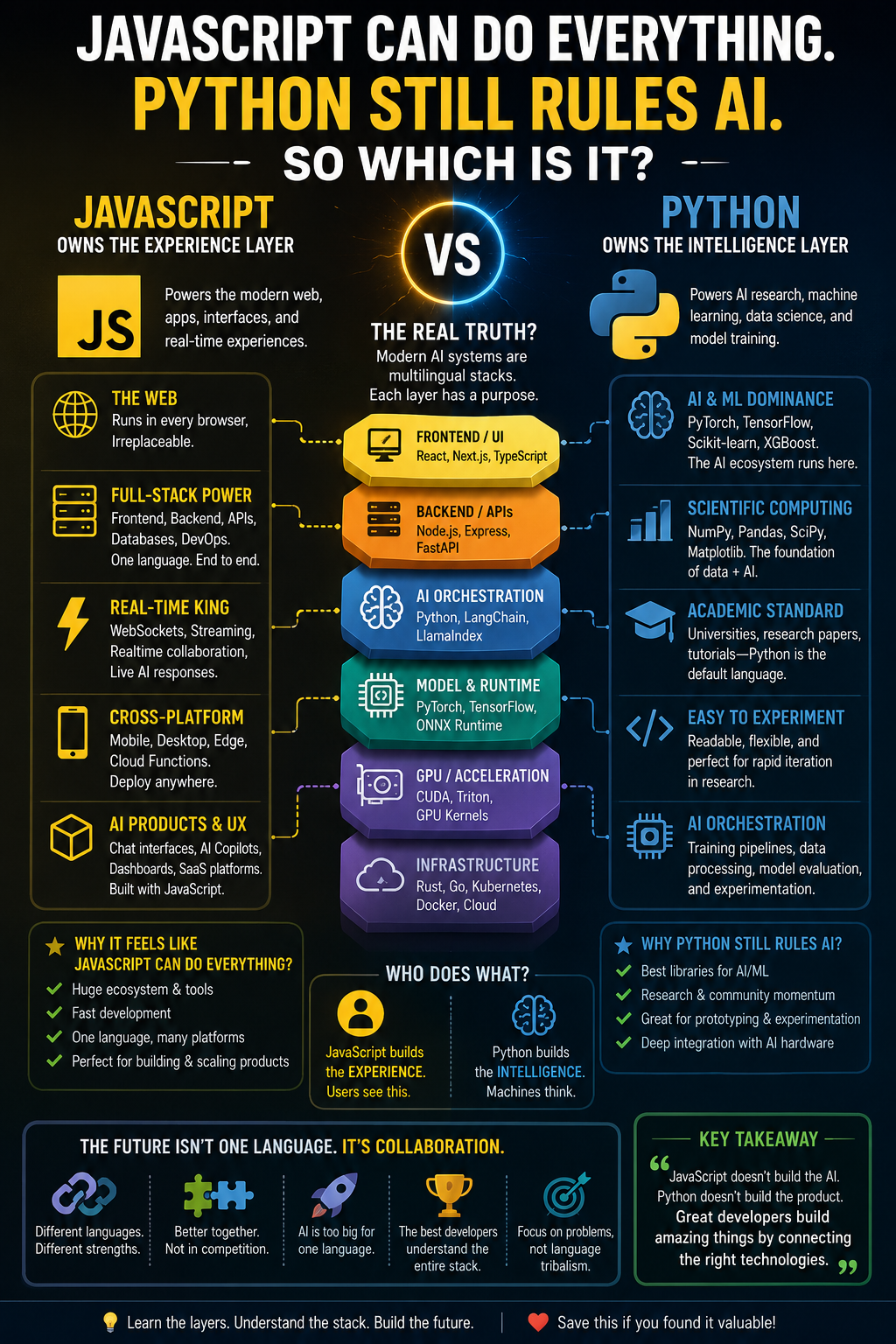
Python's dominance in AI comes from its framework ecosystem as much as the language itself.
- PyTorch is the default for deep learning research and increasingly for production. It handles computer vision and NLP workloads with a broad tooling ecosystem.
- TensorFlow focuses on training and inference at scale, with deployment across CPUs, GPUs, and multiple platforms.
- Keras offers a high-level interface for building neural networks quickly and can run on top of JAX, PyTorch, or TensorFlow.
- Scikit-learn covers classical machine learning: preprocessing, model selection, and evaluation.
- LangChain connects large language models to applications, including retrieval, tool use, and orchestration.
- Dash turns Python data analysis into interactive web dashboards without writing JavaScript.
A practical pattern in 2026 is to keep the model layer separate from the serving layer. Train in PyTorch, serve through FastAPI, and expose results to whatever frontend or agent needs them.
Automation and Browser Frameworks
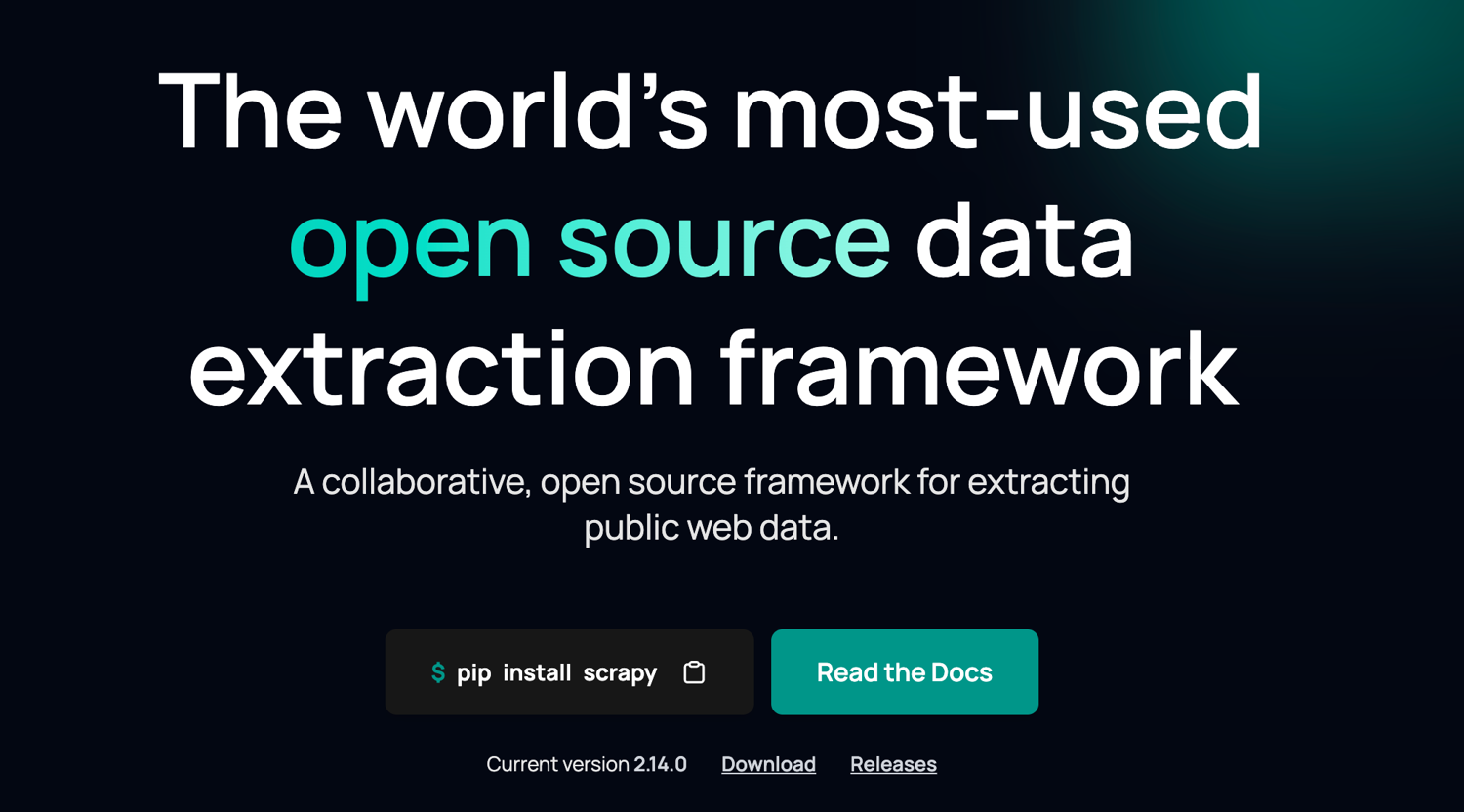
Python Framework Guide: Web, AI & Automation in 2026 - Automation and Browser Frameworks.
This is the category most Python framework lists skip, yet it is where a lot of production work happens. Modern Python applications frequently need to fetch pages that render client-side, capture screenshots, or extract structured content from JavaScript-heavy sites.
Traditional options include Selenium and Playwright. Both drive real browsers, but running them at scale means managing browser binaries, concurrency, and anti-bot friction yourself.
A newer pattern is to treat the browser as infrastructure behind an API. AdsCrawl provides remote Chrome DevTools Protocol sessions, screenshot capture, and HTML or Markdown extraction through a unified API. From Python, that means your FastAPI service can request a rendered page without shipping a browser in the same container.
import requests

response = requests.post(
    "https://api.adscrawl.com/v1/extract",
    headers={"Authorization": "Bearer YOUR_API_KEY"},
    json={"url": "https://example.com", "format": "markdown"}
)
print(response.json()["content"][:500])
This fits naturally into AI pipelines where an LLM needs clean page content, or into monitoring workflows that must verify what a page actually rendered. For a deeper comparison of browser infrastructure options, see the AdsCrawl vs Steel breakdown.
If your project also involves scheduled jobs and uptime checks around these pipelines, a tool like Cronitor can cover the monitoring side.
How to Choose a Python Framework
Work through these questions in order:
- What is the primary output? A web application, an API, a trained model, or extracted data? That alone narrows the field.
- How much structure do you want? Django gives you decisions; Flask and FastAPI leave them to you.
- Does concurrency matter? If you expect high request volume, async frameworks like FastAPI have an edge.
- What does your team already know? A well-understood framework beats a theoretically better one.
- What are the integration points? Database, model serving, external APIs, and browser automation all shape the choice.
A common 2026 stack looks like this: FastAPI for the API layer, Pydantic for validation, PyTorch or an LLM provider for intelligence, and an API-driven browser layer for live web data. Django still wins when you need an admin interface and a mature ORM on day one.
Related reading
- AdsCrawl vs Lightpanda vs ClawEngine: 2026 Browser API Guide - Compare AdsCrawl, Lightpanda, and ClawEngine for browser automation and scraping. See CDP control, rendering, pricing, and which fits your AI stack.
- What Is a Web Crawler? How Spiders Work in 2026 - Learn how web crawlers work: crawl frontier, robots.txt, politeness, AI crawlers, and how to build reliable crawling pipelines with browser APIs.
Sources and further reading
- Top 10 Python Frameworks [2025 Updated] - Python is one of the most lucrative programming languages that is used as the main coding language by most of the developers. It is one of the fastest-growing programming languages that is embedded with extensive libraries and frameworks to fuel up different processes. Popular companies like Oracle, Amazon, Instagram, Google,
- The top 4 Python backend frameworks for building entry level AI projects - Choose the best Python backend framework for your needs by exploring their pros, cons and specific features. Let's jump in!
- Best Python Frameworks for Data Science, AI, & Web Development - Learn about the most popular Python frameworks available for data science, AI, and web development.
FAQ
What is the best Python framework overall?
There is no single best. Django leads for full web applications, FastAPI for high-performance APIs, Flask for lightweight services, and PyTorch for deep learning. The right choice depends on your project type and team experience.
Is FastAPI better than Flask?
FastAPI offers async support, automatic validation, and built-in interactive documentation. Flask is simpler and has a larger extension ecosystem. For new API projects with concurrency needs, FastAPI is usually the stronger starting point.
Do I need a framework for browser automation in Python?
You can use Playwright or Selenium directly. If you need scale, concurrency, or rendered content without managing browser infrastructure, an API-based approach is often simpler to operate.
Can I combine multiple Python frameworks in one project?
Yes. It is common to serve an API with FastAPI or Django while training models in PyTorch and running automation jobs through a separate worker. Keep boundaries clear so each layer can be tested independently.
Which Python framework is easiest for beginners?
Flask and Bottle have the smallest surface area. For data work, Scikit-learn and Dash are approachable starting points. Django is beginner-friendly once you accept its conventions.
Conclusion
The Python framework landscape is broad because Python itself is broad. Web frameworks handle structure and routing, AI frameworks handle computation and models, and automation frameworks handle interaction with the outside world. The most useful skill is not memorizing a list but matching a framework's design to your project's constraints.
Start with the output you need, pick the smallest framework that delivers it, and treat browser automation as a first-class part of the stack when your application depends on live web data.